Friday, 6 December 2013

Sheffield Photograph Showcase

Image 1 - The Rust Hole

One of the main themes I intended to feature in my project was Sheffield's Street Art, by artists such as Phlegm; and avoid graffiti which in my opinion is vandalism. Outside the park hill flats on this iron bridge which is covered in graffiti, I found a small rusted hole which perfectly lined up with the Electric Works from this angle. I originally was going to leave it in, but feedback from Nigel Stafford suggested that I leave it out. So using a couple of other images, I decided to add the note on Image 2 that I found outside a building site and use it as sort of a protest towards graffiti and to denominate the contrast between old and new. In place of the electric works I opted to replace it with art from Phlegm, the eye to represent "a higher status"and to look down on graffiti which I reitorate is vandalism.

Photo 1


Methods used:
  • Magnetic Lasso - to cut the image in the background and leave it transparent
  • Magic Rubber - When I cut the section out, it left some light flares on the left edge of the opening ; using this tool I was able to cut these out.

Photo 2


Tools used:
  • Magnetic Lasso - Cut out the note
  • Warp Tool - Used to warp it at the correct angle onto the wall

Image 3


Tools Used:
  • Flip Horizontal - Fits better behind the hole
Edited Image 1


Image 2 - Devonshire Green

The site of the annual Music Festival, Tramlines, I knew I wanted to include Devonshire green in my project. I had already experimented with low angle shots at floor level and I knew it created great imagery so that was the plan I went with in this shot. At the time, no events were taking place so I decided to subject some of the sculptures in the park. In this I decided to feature the autumnal hues in the foreground to add to the contrast and visual appeal. The creative aspect in this photo is the use focusing (however the background is a little too defocused), and the combination of natural and artificial colours.


Image 3 - Rats Eye

 As part of the Street art theme, I wanted to portray some of my photos from a low angle to represent it from the point of view of a rat; an urban animal that I think suitably depicts the street art concept. Initially I knew I wanted to darken the image because It was too vibrant to portray a 'dark' image. I also wanted to cut some of the cars out of the image while keeping the aspect ratio, so I have used the crop tool. The idea behind this photo is that the 'rat' is cowering behind the wall, afraid of Charles Darwin because it is  a bad example of evolution yet is well adapted to urban life, so to me it is quite an intriguing animal.


Tools Used:
  • Crop
  • Vibrance edit
  • Hue/Saturation edit
Edited Image 2


Image 4 - Information Commons

One of the main establishments for Digital Information in Sheffield, the information commons is also one of the greatest examples of modern architecture in the city. Initially, I wanted to keep the sky space in the picture; but as i was editing I came across this picture I took at Devonshire Green and wanted to apply the mosaic feature into another image.


Edited Image 3

Tools Used:

  • Spot Healer - Clean up the building in the corner and the edge round the mosaic
  • Brightness/Contrast - Increase vibrance on the building


Image 5 - Kelham
I was unsure how to edit this photo; the main subject of this photograph was to capture Kelham Island, as original as it was when it was built, so free from modern intervention. In this photo, I tried to use the rule of thirds to draw attention to the lamp and the ornate vent. I believe this represents creative Sheffield because it is a site of historical importance, iconic Victorian architecture and a major location for the manufacture of Steel. 


Image 6 - Reworked
I struggled with titling this piece because I initially could not think of a defining word to sum the photo up. This is situated around the Kelham Island old industrial area; the fact that almost nowhere is safe from potential graffiti . For me, I like this photo because of it's contrasting tones and theme and of course because the graffiti artist decided to correct his tag.


Image 7 - Hidden

Found behind the Rare and Racy bookshop at Devonshire Green, I feel that this is one of the greatest instances of Street Art in Sheffield. The fact that it is out of sight from the public and you have to endeavour to find this work makes it all the more special. It is however a shame that few people know about Phlegm or his work; yet those who do know especially I, have great appreciation of his talent. I wanted to frame this image with the overgrown foliage and litter and reinforce the concept of it being hidden. In this work notably he has used colour, which he rarely has done in his work around sheffield and based around the Egyptian eye of Horus which delineates protection and overwatch. To sum up, I believe this is immensely creative not only because of it's visual appeal but because of it's location and meaning.


Image 8 - Unappreciated

It was my plan to showcase great instances of urban art in Sheffield; and the fact this site was littered and forgotten really captured my attention. I decided to reiterate the low angle as if from the rats point of view to frame the art with the ground and the litter.


Image 9 - Making Beats
Personally, I think the SoundHouse is one of the major sites for digital and creative activity in the city. Before this project, I didn't really understand how big Sheffield's Music production scene was; the Sound House is the Sheffield University's centre for music production.
I edited the sky colour in this photo to change the natural convention and add an unexpected difference and because I think that orange is a more suited colour to contrast the subject is is visually more appealing.


Image 10 - The Bell Jar
 The Bell Jar had major appeal for me and I knew that I wanted to capture it's art. Using the lighting effect tool, I wanted to give the effect it was during night and there was a large dull light on the subject to create mystery. The recurring low angle is used here to add aesthetics and change the normal perception angle.

Friday, 29 November 2013

LO3: Storage and Processing of Images


This folder named 'Sheffield Photography' contains all my raw images I took in Sheffield. I will curate these into my final 10 selected photos to use for my project.

Photograph Curation

To begin with, I uploaded all my images onto Adobe Bridge; a program used for categorizing to sort out the collection and finalize the pictures that I will want to feature in my project. Initially, I gave each photo a personal rating from 1-3 stars based on their technical quality; any that were too blurry or missed the subject were rejected. I filtered out 1 stars and rejections, and then give the remainder a label based on how well I think they relate to the Project title. Pictures I can't decide on I gave a blue label and some that I considered work well enough on their own or that ones I could merge with others to improve a single image I gave a purple to do label. Red labeled selections are filtered out and then I up the rating on the remainder of photographs, from 3-5 stars; 3 show me that the image will probably not be used, 4 stars for a photo that i think needs editing and a 5 star, green labeled photo represents that I will definitely use it in the portfolio as a a raw image or for the use of editing.

Here are some screenshot's of my filtered Adobe Bridge folder of raw photos.


These final selected images I will use either alone as one of photos or use them to create a combined image.

After this process, I start using Photoshop to edit my selected work how I deem fit by using techniques and tools learnt in Mr Helliwell and Miss Allen's lessons.

Monday, 4 November 2013

PROJECT 2: Planning a photographic shoot

KTA 1: Concept Description
For the "Creative and Digital Sheffield" project, I will be taking a series of 10 to 15 images that I believe encapsulates the idea. For a large segment of my work , I will capture a series of pictures showcasing architecture evolution within the city center; beginning with Kelham Island and ending with most recent buildings in the area such as the Millennium Galleries and the Q-Park Car Park. A building which I believe portrays both creativity and a digital aspect of Sheffield is the SoundHouse as part of the University Music Department, it's walls and structure is not only quite innovative but houses a wealth of digital equipment. Similarly Digitally in Sheffield, there is the Electric Works and Showroom Cinema ; which I intend to capture through what goes on inside, e.g a cinema screen or office work. Another feature I intend to catalog in this project is Sheffield's Street Art and Graffiti, notably at the site of Gatecrasher One which is continuously updated by artists weekly. There is also a vital location I would love to capture called the Bell Jar; which is some street art inspired by Bioshock, a video game. A creative piece with digital inspiration. One of the most well known Sheffield street artists is Phlegm, who creates unique massive scale pieces. I would also like to vary the time at which I capture an image; for example the Veolia Recycling Plant which has color changing glass at night.

KTA 2: Mood Board

Week 1: Location and Theme Ideas
  • Architecture
  • Graffiti/Street Art
  • Light at Night
  • Creative Buildings, Digital Interiors
Millennium Galleries and Peace Gardens
GateCrasher One Site + Various Sites of Street Art around the City Center (Sheffield Street Art Walk)
Showroom Cinema (Inside)
Electric Works (Inside)
Veolia Recycling Plant
SoundHouse
Kelham Island
'Cheese-grater' Q-Park
Lyceum and Crucible Theater
Train Station
Forge-Masters
SumoDigital
Information Commons

Week 2: Shots and Locations Visited

Devonshire Green:
Rare and Racy Book Shop (Phlegm)
Sculptures
Bang Bang (Phlegm)

Electric Works/Ventana House (Creative/Digital)
Park Hill Flats (Graffiti)
Information Commons (Architecture)
Sound House (Architecture)
Kelham island (Architecture)
The House Skate-park (Phlegm)
Veolia Station (Night Shot)
The Showroom Cinema (Digital)

Notes:

We found that the tripod was impractical to take around to most locations because it became obstructive to the public. Upon reviewing some of my shots I found that the tripod wasn't even necessary because taking time to set it up and down after every shot would have taken up a lot of time and I found that taking photos with just my support was suitable enough.

If I choose to exhibit my photographs which feature particular buildings (For example, the Sheffield SoundHouse) in a public space, then I would have to seek permission from the owner to use that image. If they do not agree to the use of their buildings image in my photographs, then I would have to choose a different location.

I have not included  the use of model call sheets or permissions because there will be no people present in the images I capture and use. If I chose to have humans in any of my pictures then I will ask the people for their permission to the right to use their image and produce call sheets.

The photographs I will capture will feature no usage of props, as I intend to frame the images in their natural state with no influence by myself and without the addition of props, unchanged. As my main focus for the project is the evolution of architecture, it makes sense that I capture photos of the particular buildings/areas; The SoundHouse, Kelham Island, The Bell Jar etc., as they are with no human influence.


Production Plan


Equipment List and Shot Plan


Contingency Plan


Risk Assessment

These potential risks could be potentially a factor that influences every location I decide to take photographs at. In areas that are deprived, risk of litter infection could arise as well as an increase in the likelihood of people potentially threatening myself and my colleagues and also theft. Weather risks can come into effect at any location and time, so it is important to check weather statuses on days of shooting as well prepare essentials to keep warm and dry. Traffic can be anywhere in Sheffield so it is important to be careful when crossing streets and taking photos when our attention is averted.

Wednesday, 23 October 2013

Understanding Cameras

The camera model I will be using to capture all my images is the Canon 650D. It is crucial that I understand how to use the camera in order to achieve particular effects in my photographs such as light levels, exposure and Zoom.


How do specific settings influence photographs?

  1. Aperture -  the unit of measurement that defines the size of the opening in the lens that can be adjusted to control the amount of light reaching the sensor. By increasing the aperture size, it lets in more light, which is useful for photographs taken at night or in low light where there is little/no natural light from the sun. Furthermore, it can affect the depth of field at which a photo is captured. The lower the f/ setting, the lower the depth of field that is achieved.
  2. Shutter Speed - the unit of measurement which determines how long shutter remains open as the picture is taken. The slower the shutter speed, the longer the exposure time. The shutter speed and aperture together control the total amount of light reaching the sensor. 
    Shutter speeds are expressed in seconds or fractions of a second. For example 2, 1, 1/2, 1/4, 1/8, 1/15, 1/30, 1/60, 1/125, 1/250, 1/500, 1/1000, 1/2000, 1/4000, 1/8000. Each speed increment halves the amount of light.
  3. ISO - measurement of the sensitivity of the image sensor. Setting ISO levels tells the camera the amount of light needed for good exposure. The lower the ISO value, the more light required.The more light that's required, the more likely a slow shutter speed will have to be used. That means low ISO's, like 100 or 200, are most often used in bright situations (like sunlight). If you don't have a lot of light, or need a fast shutter speed, you would probably raise the ISO.
  4. Lens - the part of the camera through which the light travels before it reaches the sensor. Depending on the type of lens, you can capture more or less of an image at a further distance or at a higher speed. Zoom and Wide angle lenses are particularly great for outdoor and architectural photography where they encapsulate large sections of an image. Portrait lenses are used for specifically for capturing photos with a human element; this is because they have a short lens arrangement that minimizes the distortion between the image and the sensor. So they are good for close-up shots as they also have low depth of field, producing great amount of detail.

Monday, 23 September 2013

Task 1 Feedback


Task 1: KTA 4


KTA 4: Presentation

PhotoStory Script

Graphic/Shot Type
Script
Duration
Title Page
In this presentation, I will be discussing 5 types of Photography and their associated photographers, of which I find interesting.
6 s
Modern Bridge at night, WS
Architectural Photography is the photographing of buildings and similar structures that are both aesthetically pleasing and accurate representations of the their subjects.
8s
Stripy High-rise building, LA

Architectural Photographers are usually skilled in the use of specialised techniques, angles and equipment.
6 s
Glass Bunker surrounded by trees, MS
Iwan Baan (born February 8, 1975) is a Dutch architectural photographer. He has challenged a long-standing tradition of depicting buildings as…
8 s
Field surrounded by Concrete, LS
…Isolated and static by representing people in architecture and showing the building’s environment; in these pictures, some of themes are very apparent.
8 s
Diver over the city, VWS
Famous multi-award winning sports photographer, Bob Martin, during a career spanning 30 years has documented every major sporting event from the last 13 Summer and Winter Olympics to elephant polo and horse racing on ice.
12 s
One legged Racing Cyclist, WS
By utilising crucial angles, highlighting motion through focusing and use of scale to denote challenge faced by world-class athletes combines to form fantastic imagery.
9 s
Black and White Image of Mountain scape, LS
Landscape Photography is a genre, which intends to showcase different open spaces within the world, whether they are natural scapes or urban regions, macro or micro scale.
8 s
Crashing Waves and the Lighthouse, LS
They are defined as having little or no influence of human activity with the purpose of featuring subjects such as landforms and weather formations.
7 s
Solitary Lake Tree, WS
Michael Kenna, born in 1953 is best known for his black and white landscapes, unusual in form while utilising ethereal light sources by photographing at dawn or at night using exposures of up to 10 hours.
10 s
Copse and Clouds, WS
This technique creates amazing atmosphere and gives focus to the still standing structures in his photos; for example in this image titled ‘Copse and Clouds’.
7 s

Fox Cubs Fighting, MS

Wildlife photography is regarded as one of the more challenging forms of photography. For example, some animals are difficult to approach and thus knowledge of the animals’ behavior is needed in order to be able to predict their actions.


10 s
Snow Leopard/Steve Winter, WS
Steve Winter is regarded as one of the top wildlife photographers in the world; stalked by jaguars in Brazil, charged by a grizzly in Siberia, and trapped in quicksand in the world's largest tiger reserve in Myanmar. ‘The Snow Leopard’ by him is in fact regarded as one of the best in the world.
12 s
First Picture of the moon, EWS
Astrophotography is a specialised type of photography that entails recording images of astronomical objects and large areas of the night sky. The first ever photograph of an astronomical object, the moon was taken in 1840.
13 s
Orion’s Belt/Samuel Oschin Telescope, EWS
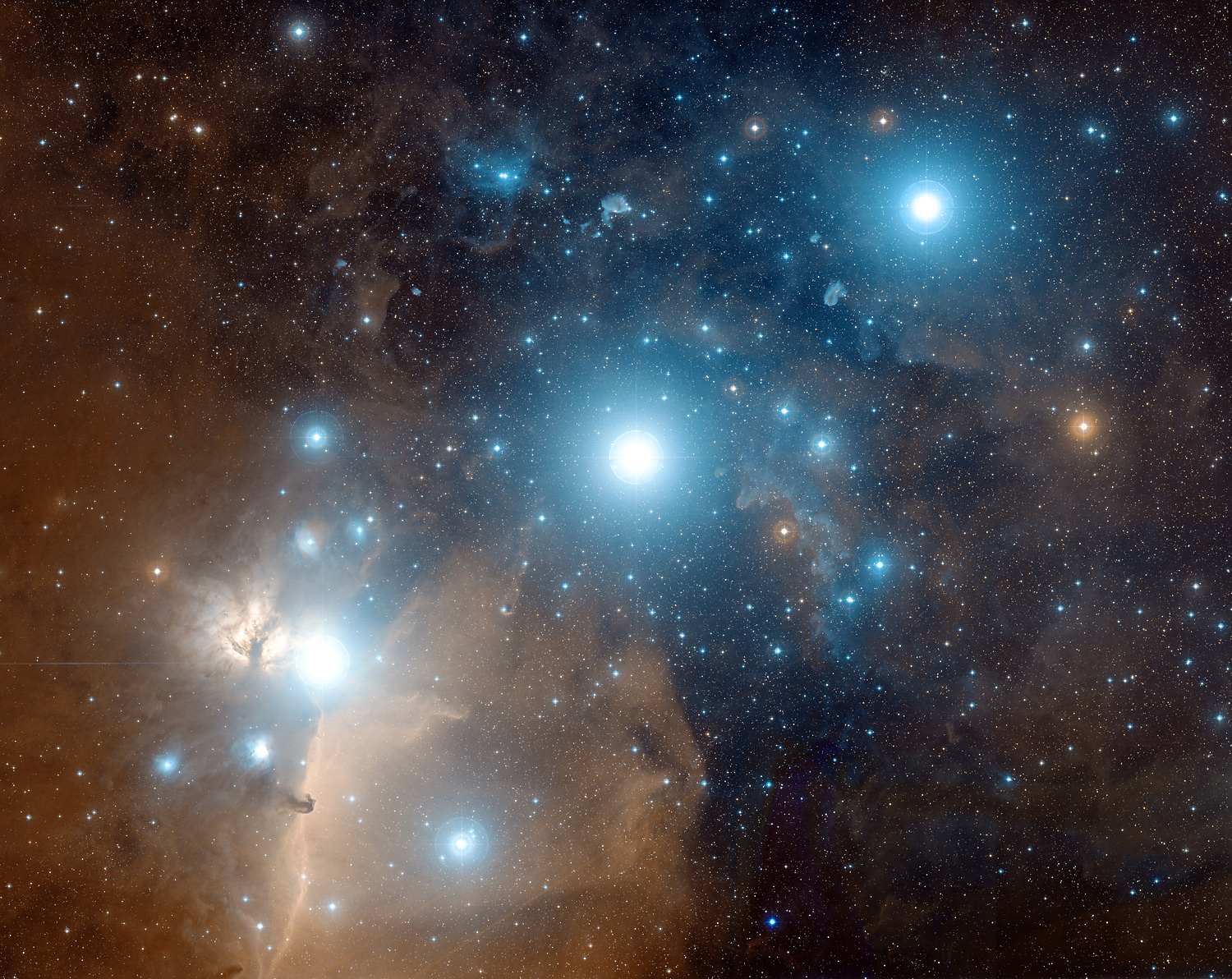
Astrophotography also has the ability to capture objects invisible to the human eye such as dim stars, nebulae and galaxies. In professional astronomical research, this photography revolutionised the field.
10 s
Horsehead Nebula, EWS
Willamina Fleming was born on the 15th of May 1857 and will be always be remembered by astrophotographers for her discovery of the ‘horsehead’ nebula.
13 s
White Dwarf Stars, EWS
In the field of astronomy, Willamina Stevens Fleming is also best known for her discovery of stars called White Dwarfs.
6 s

Sunday, 22 September 2013

Task 1: KTA 3


-Chris Saunders (Portrait, Music)
-Mark Harvey, ID8 Photography (Corporate Events, Editorial)
-Duncan Philpott

1.  Chris Saunders has been a professional photographer for 13 years, over which documented the portraits of world leading actors, authors, film directors, musicians, comedians and has had the resulting work published in numerous publications globally. His list of clientele include corporates The Guardian, The observer, Sony, EMI, Universal Records, Random House Publishing and Harper Collins. He quotes "I became interested in photography twenty or so years ago after borrowing a friend's SLR to photograph this really cool cat I had at the time".
Tecniques:
  • Lighting Position - Accentuate features, shadows the eyes
  • Composition - Light Features (Combined with ground moisture causes shining/reflection), People Group (Used in band photography, using height to denote importance)
  • Angle - Create Illusion (Satelite Dish Photo), To convey emotion
  • Background - Converging Lines (Draws the eyes to the subject), Interesting Patterns, Colours
  • Focus

2. Mark Harvey, owner and manager of ID8 Photography, is a sheffield based photographer with over 20 years experience in editorial, corporate, documentary and portrait photography. The broad range of assignments presented to Mark and his company by a range of clients notably including Sheffield Council, Manchester University, National UTC's and Sheffield Health Services, has provided them with a range of experience and skill giving the ability for ID8 to produce high quality images in any given situation.

Mark Harvey gave us some valuable advice:

  1. Always prepare and have a vivid idea of what you want to capture
  2. Always remember the three key principles: Aperture, Time, Focus
  3. The best photos are not necessarily taken with the best equipment; opportunities for snaps can be at any time so be ready with any kind of camera


3. Duncan Philpott, one half of the sheffield based duo called Steel City Media. What began as providing minor pieces of companies for local companies developed into full-time career working for a range of editorial and commercial clients as well as following the UCI Mountain Bike World Cup Series across the globe.
Involved Clients:
  • Dirt Magazine | MBR Magazine | Privateer Magazine | Vital MTB | MTBR (Germany) | [R]evolution MTB (Australia) | Wideopen Magazine
  • Monster Energy | Santa Cruz Bikes | Skins Compression Wear | Cotic LTD | FiveTen | Mondraker 

Using various shutter speeds and by following the subject during motion; Duncan had produced images such as this where everything but the subject is blurred in motion, denoting speed.


To achieve light streaks from traffic; Bulb photography and long exposure is utilised creating this amazing imagery.


Questions based on each photographer

1. How long has Chris Saunders been professionally taking photos?
2. Name 4 of his clients.
3. What are his 2 main areas of photography he works within?
4. What was his first instance of interest of photography?
5.

Saturday, 21 September 2013

Task 1: KTA 2


KTA 2:

The 5 styles of Photography I have chosen to research are Landscape Photography, Architectural Photography, AstroPhotography, Documentary Photography and Portrait Photography.

What is Landscape Photography?
It may be categorised as a particular orientation of a photo, but predominately it is a genre which intends to showcase different open spaces within the world, whether they are natural scape's or urban regions, macro or micro scale. They are defined as having little to no influence of human activity with the purpose of featuring subjects such as landforms and weather formations. 
http://en.wikipedia.org/wiki/File:Adams_The_Tetons_and_the_Snake_River.jpg

Michael Kenna

Born in 1953, this British born photographer is best known for his black and white landscapes, unusual in form while utilising ethereal light sources by photographing at dawn or at night using exposures of up to 10 hours. This techniques creates amazing atmosphere and gives focus to the still-standing structures in his photos; for example in the picture below titled "Copse and Clouds".

Architectural Photography
Architectural photography is the photographing of buildings and similar structures that are both aesthetically pleasing and accurate representations of their subjects. Architectural photographers, are usually skilled in the use of specialised techniques, angles and equipment. 
http://en.wikipedia.org/wiki/File:JM_EstorilSol_008.jpg


Iwaan Baan
Iwan Baan (born February 8, 1975) is a Dutch architectural photgrapher. He has challenged a long-standing tradition of depicting buildings as isolated and static by representing people in architecture and showing the building's environment; in this picture to the right some of the themes are very apparent.


What is AstroPhotography?
File:Orion Belt.jpgA: a specialized type of photography that entails recording images of astronomical objects and large areas of the night sky. The first ever photograph of an astronomical object , the moon was taken in 1840, but it was not until the late 19th century that advances in technology allowed for detailed stellar photography. Astrophotography also has the ability to capture objects invisible to the human eye such as dim stars, nebulae and galaxies. In professional astronomical research, this photography revolutionized the field.

Sport Photography: Bob Martin
A multi-award winning sports photographer; during a career spanning the last 30 years he has photographed every major sporting event from the last 13 Summer and Winter Olympics, to Elephant Polo and Horse Racing on Ice. By utilising crucial angles, highlighting motion through focusing and high exposure and use of scale to denote challenge faced by world-class athletes combines to form fantastic imagery.


Friday, 20 September 2013

Task 1: KTA 1


KTA 1:

Mind map of Brainstormed Photographic Techniques
Others types of photography include Aerial, Commercial, Forensic, Macro and Micro, Panoramic and Time-lapse.

Photography Terms:

1. Aperture
The size of the opening in the lens when a picture is taken; Changing the aperture allows for more or less light to enter.
2. Depth of Field
The distance between the nearest and farthest objects in a scene that appear acceptably sharp in an image.

3. Exposure
the amount of light collected by the sensor in your camera during a single picture.  If the shot is exposed too long the photograph will be washed out.  If the shot is exposed too short the photograph will appear too dark

4. Framing
Using other objects in your photograph to frame the main subject. 
5. Composition
The arrangement of the subjects in the picture

Leading Lines
By using the road, row of trees and hedge  line at the edge of the image; it gives vibrant focus to the central building. It's attractive eye-catching appearance is reinforced by colour boost of the sky and the golden tints of the roof.


The natural sedimentary lines starting in the foreground leads the viewer along the rest of the cliff; this spectacular view is accelerated by the contrasting stone yellow and the dark night sky. 


Rule of Thirds


The power points; where the line overlay bisects in this image is mirrored horizontally by the water beginning directly in the centre of the picture.


Wide Angle Shot
  • Provides curvature to the Picture; obviously to encapsulate a wider area.
  • Include more content in one image


Ken Burns Effect

The Ken Burns effect is a type of panning and zooming effect used in video production from still imagery.

Bulb Photography
Bulb, abbreviated B, is a shutter speed setting on an adjustable camera that allows for long exposure times under the direct control of the photographer. With this setting, the shutter simply stays open as long as the shutter release button remains depressed.

Sunday, 15 September 2013

Practice Photographic Work

 HeadSpace


Leading Lines


Rule of Thirds


Solo Portrait Shot
Before

After

I have used Photoshop to correct the blues, brighten the image and improve contrast. Furthermore using the Spot Healer tool, I have removed some of the spots on the face and improve the black circles under the eyes.


Pair Shot

How to reflect on this picture, hmm...

Group Outdoor photo

UTC Mafia

High Angle Shot

Using a low position to take the picture, it makes the subject seem more imposing and prominent.

Wide Angle Lens
This is an example of a portrait shot using a wide angle lens; as you can see, it is not suited to this type of photography because the photo looks poor.